ما الذي تبحث عنه؟
?
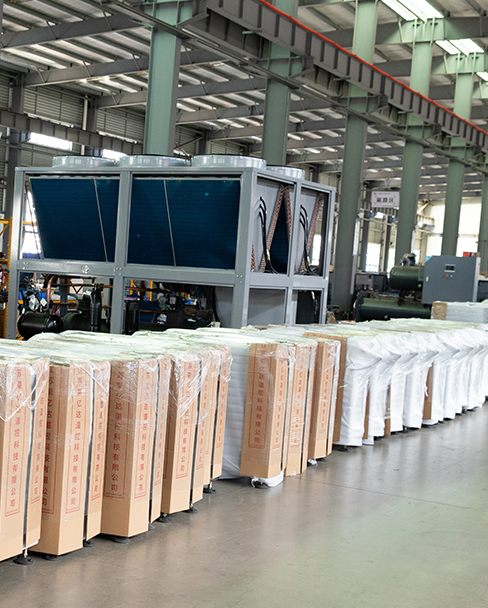
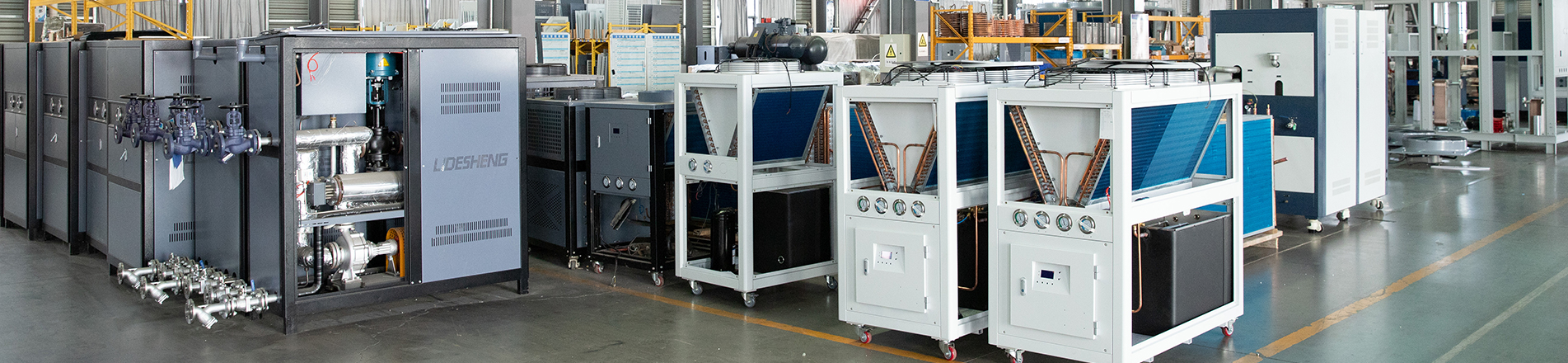
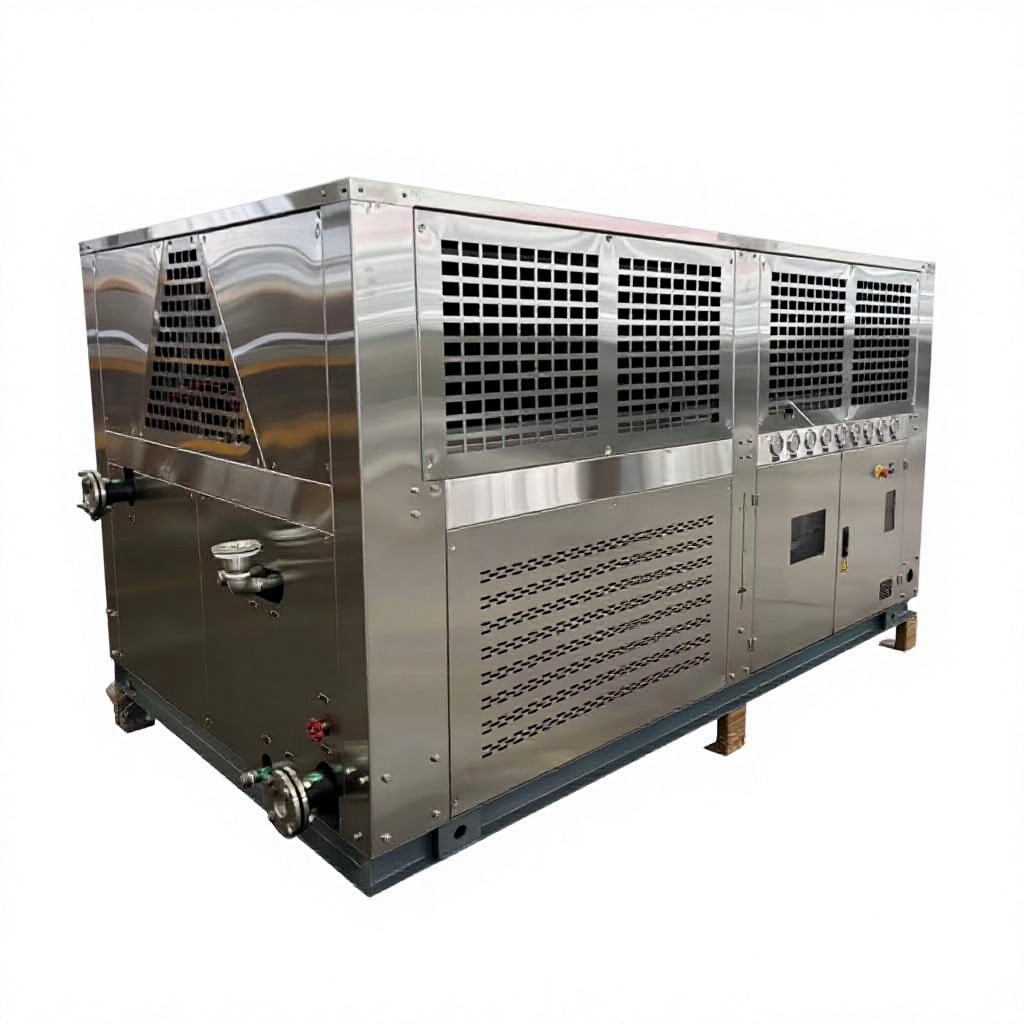
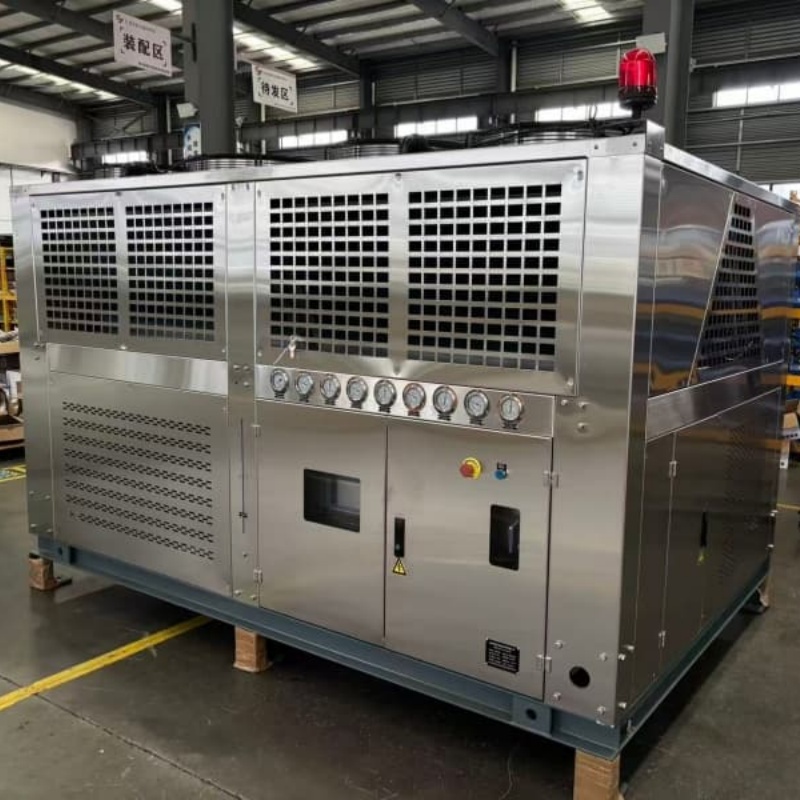
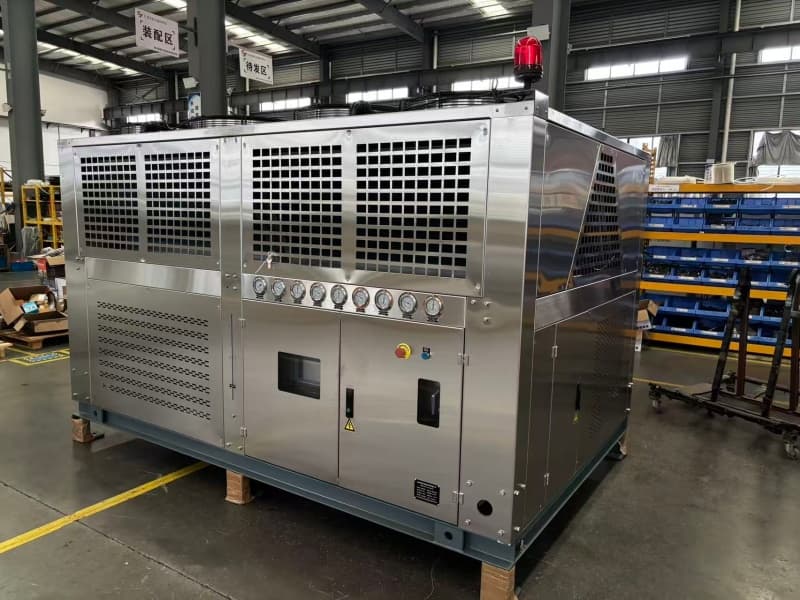
توفر وحدة التحكم في درجة الحرارة عالية الدقة حلاً رئيسياً للتحكم في درجة الحرارة لصناعة قولبة ضغط ألياف الكربون من خلال التحكم الدقيق في درجة الحرارة، ودورة التسخين والتبريد الفعالة، والتكيف الذكي للعملية، مما يؤدي إلى تحسين جودة المنتج وكفاءة الإنتاج ومعدل استخدام المواد بشكل فعال، وهي الضمان الأساسي لتحقيق إنتاج عالي الأداء والجودة والكفاءة لمواد ألياف الكربون المركبة.
رقم الصنف :
LCHالطلب (الحد الأدنى لكمية الطلب) :
1قسط :
EXW/FOB/CIF/FCA/DPU/DDUأصل المنتج :
CHINAلون :
Customizableميناء الشحن :
SHANGHAI/NANJINGمهلة :
35وزن :
customizable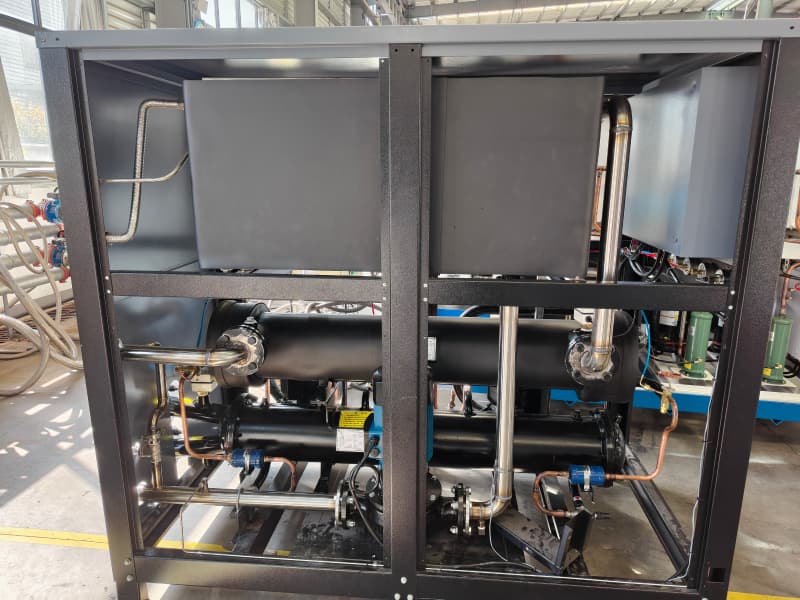
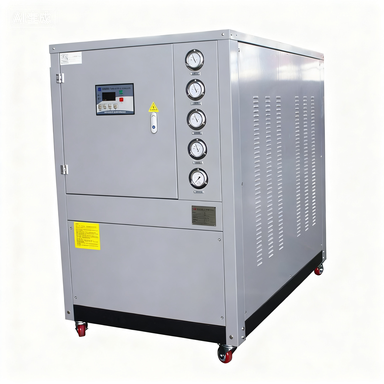
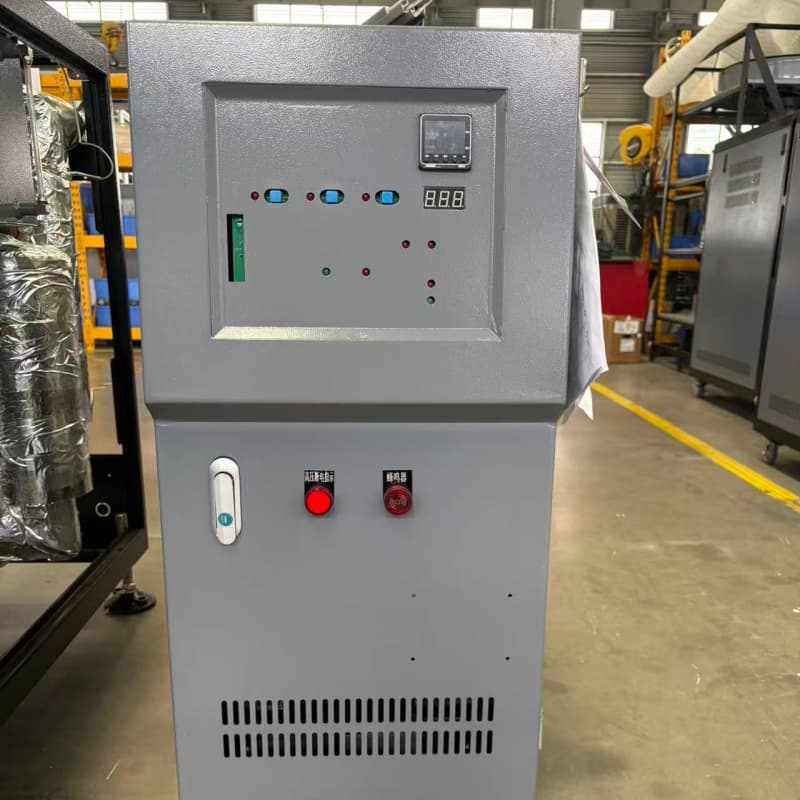
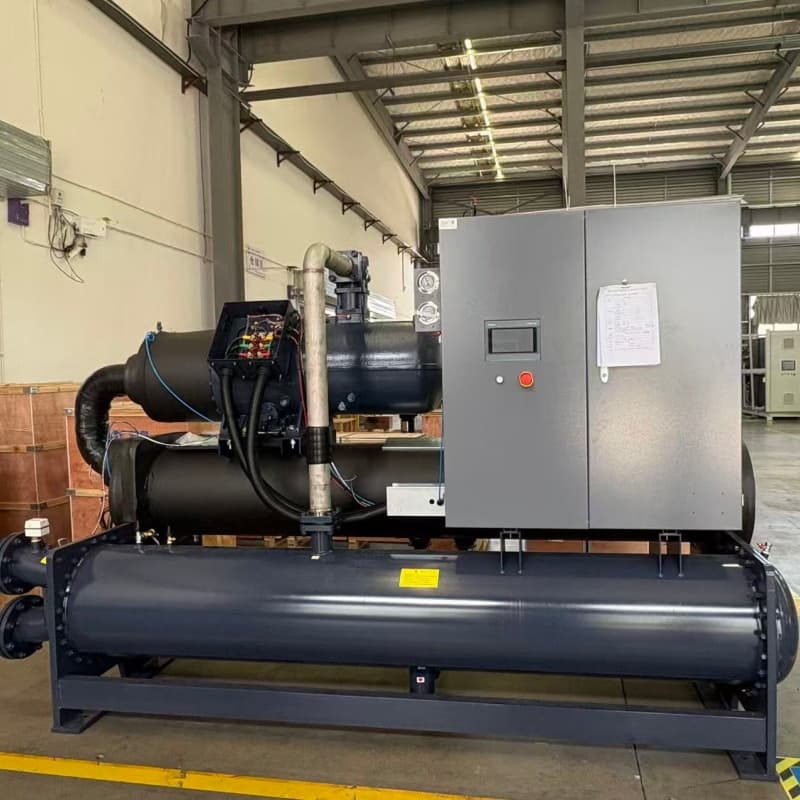
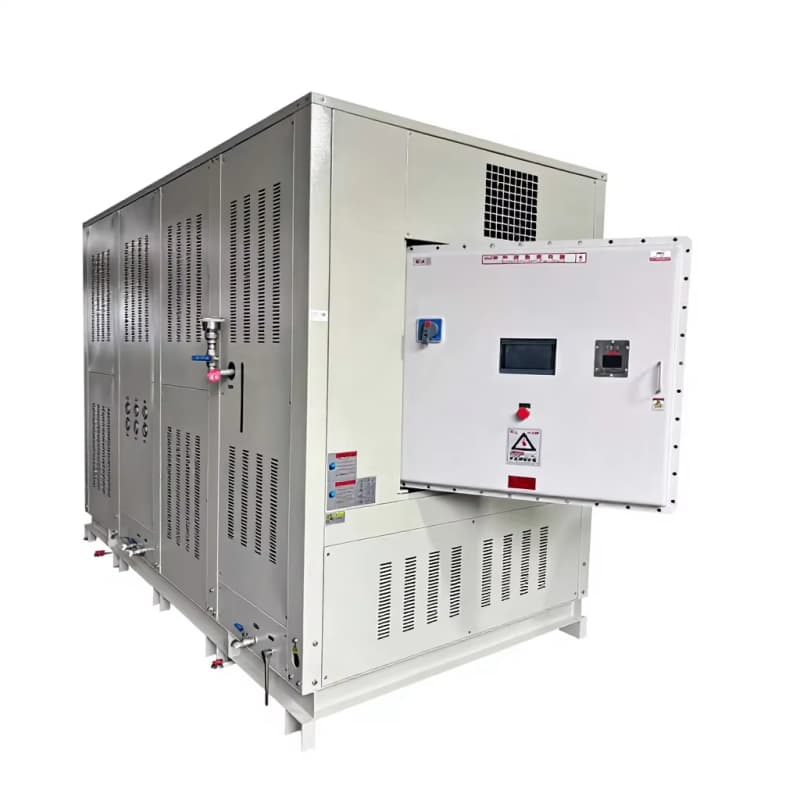
سلسلة LCH ماء وحدة التحكم في درجة الحرارة
 سمات
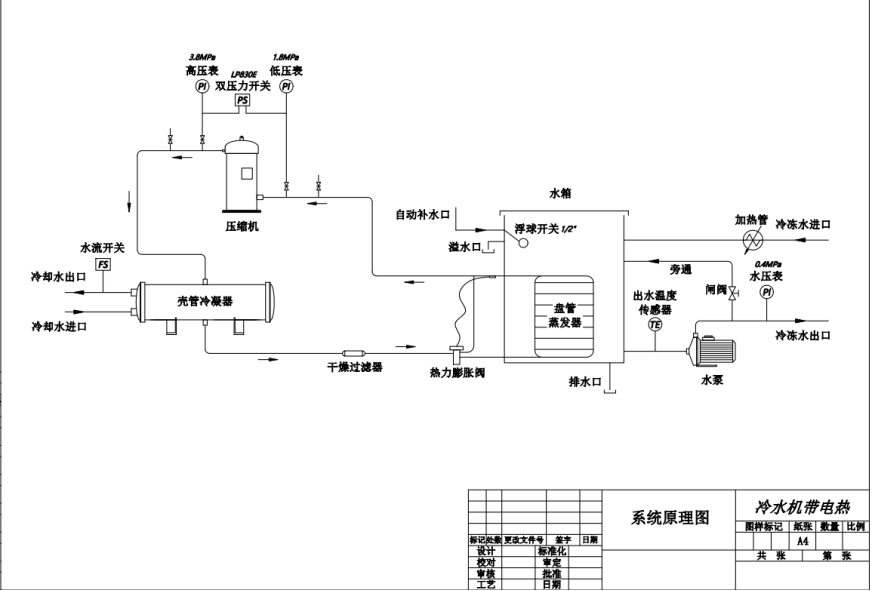
سماتيعمل الماء الموجود في الخزان كوسيط ويتم توصيله إلى المعدات التي يتم التحكم في درجة حرارتها (مثل القوالب وأباريق التفاعل) عبر مضخة دوران.
بعد مرورها عبر المعدات، تحمل المادة طاقة حرارية أو باردة وتعود إلى الوحدة الرئيسية.
يقوم مستشعر درجة الحرارة الموجود داخل الوحدة الرئيسية باكتشاف درجة حرارة الوسط ومقارنتها بالقيمة المحددة.
إذا كانت درجة الحرارة أقل من القيمة المحددة، يتم تفعيل نظام التسخين؛ وإذا كانت أعلى من القيمة المحددة، يتم تفعيل نظام التبريد. تستمر هذه العملية حتى تصل درجة حرارة الوسط إلى القيمة المطلوبة، وبعد ذلك يُعاد ضخ الوسط إلى الجهاز الخاضع للتحكم.
مبدأ العمل الأساسيتُعدّ عملية التشكيل بالضغط لألياف الكربون عملية يتم فيها وضع مادة ألياف الكربون المشبعة مسبقًا أو مادة SMC في قالب ومعالجتها تحت درجة حرارة وضغط عاليين، وتُستخدم على نطاق واسع في صناعات الطيران والفضاء، ومركبات الطاقة الجديدة، والمعدات الرياضية المتطورة، وغيرها من المجالات. تتطلب هذه العملية تحكمًا دقيقًا للغاية في درجة الحرارة.
س1: تعذر الوصول إلى درجة الحرارة المطلوبة
أ1: قد يكون سبب ذلك تسرب غاز التبريد، أو عطل في الضاغط، أو انسداد في نظام الدوران. من الضروري التحقق من كفاية غاز التبريد، وإصلاح نقطة التسرب، وإعادة شحن غاز التبريد؛ وفحص حالة الضاغط وإجراء الصيانة أو الاستبدال إذا لزم الأمر؛ وتنظيف نظام الدوران لإزالة الانسدادات.
س2: ضوضاء غير طبيعية من مضخة المياه أو فشل في العمل بشكل طبيعي.
أ2: افحص حالة مراوح مضخة الماء ومحاملها؛ واستبدلها إذا كانت تالفة. تأكد من سلامة توصيلات المحرك، ومن أن مصدر الطاقة يعمل بشكل طبيعي.
س3: معدل التسخين/التبريد البطيء
أ٣: تأكد من أن السخان/المبرد يعمل بشكل صحيح؛ قد يكون من الضروري استبدال عنصر التسخين الكهربائي أو عنصر التبريد. تحقق مما إذا كان المبادل الحراري مسدودًا أو ملوثًا - تنظيف المبادل الحراري يمكن أن يعيد كفاءته. تأكد من دوران غاز التبريد بسلاسة؛ قد يكون من الضروري فحص وتنظيف أنابيب غاز التبريد.
س4: التشغيل غير الطبيعي للضاغط
أ4: تأكد من استقرار مصدر الطاقة ومطابقته لمتطلبات الجهاز. افحص الضاغط بحثًا عن أي ضوضاء أو اهتزازات غير طبيعية، والتي قد تكون ناجمة عن تلف أو تآكل الأجزاء الداخلية. نظّف المكثف وافحصه، فإذا تراكم عليه الغبار أو الأوساخ، فقد يتسبب ذلك في ارتفاع درجة حرارة الضاغط.
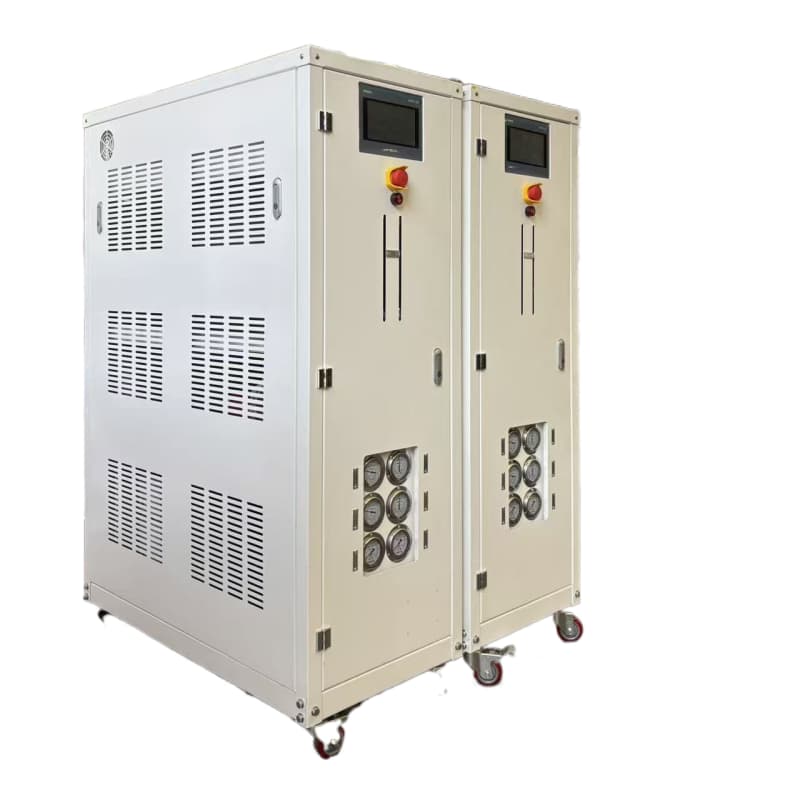
تُعدّ وحدة التبريد والتسخين ذات التحكم الدقيق في درجة الحرارة، والمخصصة لصناعة أشباه الموصلات، من المعدات الأساسية في عمليات التصنيع، حيث تجمع بين التسخين والتبريد والتحكم في درجة الحرارة ضمن حلقة مغلقة. وتستطيع هذه الوحدة تحقيق تحكم دقيق في درجة الحرارة ضمن نطاق يتراوح بين ±0.05 درجة مئوية و±0.1 درجة مئوية في نطاق واسع من -100 درجة مئوية إلى +300 درجة مئوية، مما يوفر بيئة حرارية مستقرة لعمليات مثل الطباعة الحجرية، والحفر، والتطعيم، واختبار التغليف، الأمر الذي يؤثر بشكل مباشر على الإنتاجية والأداء. رقائق البطاطس.
اقرأ المزيد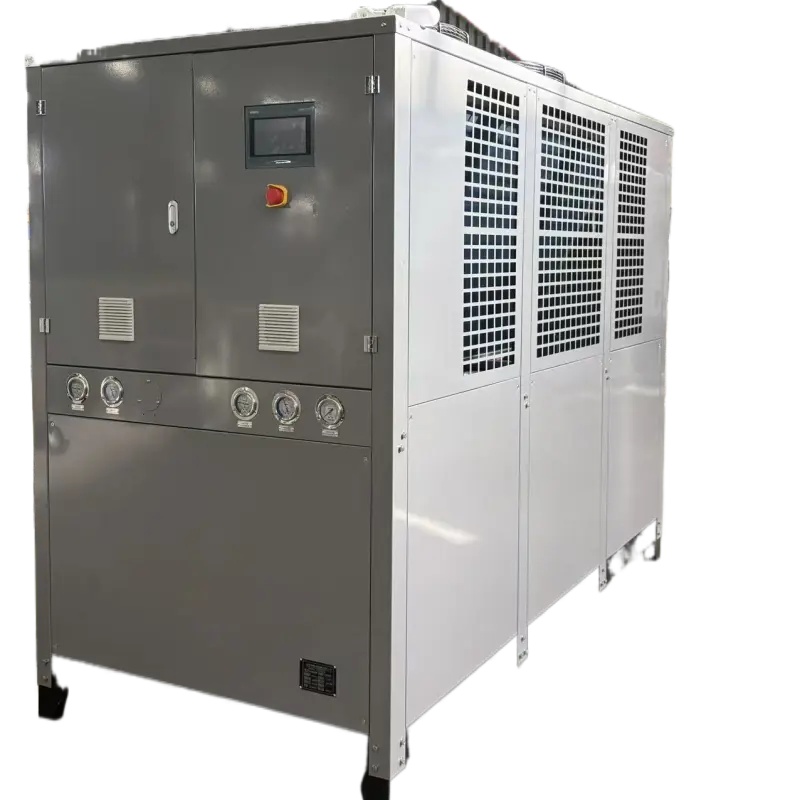
تُعد وحدة التسخين والتبريد المتكاملة بمثابة جهاز تحكم في درجة الحرارة بالغ الأهمية في صناعة أشباه الموصلات، حيث توفر في المقام الأول تنظيمًا دقيقًا ومستقرًا لدرجة الحرارة لمعدات المعالجة وقطع العمل أثناء إنتاج أشباه الموصلات واختبارها لضمان إنتاجية العملية وأداء المنتج.
اقرأ المزيد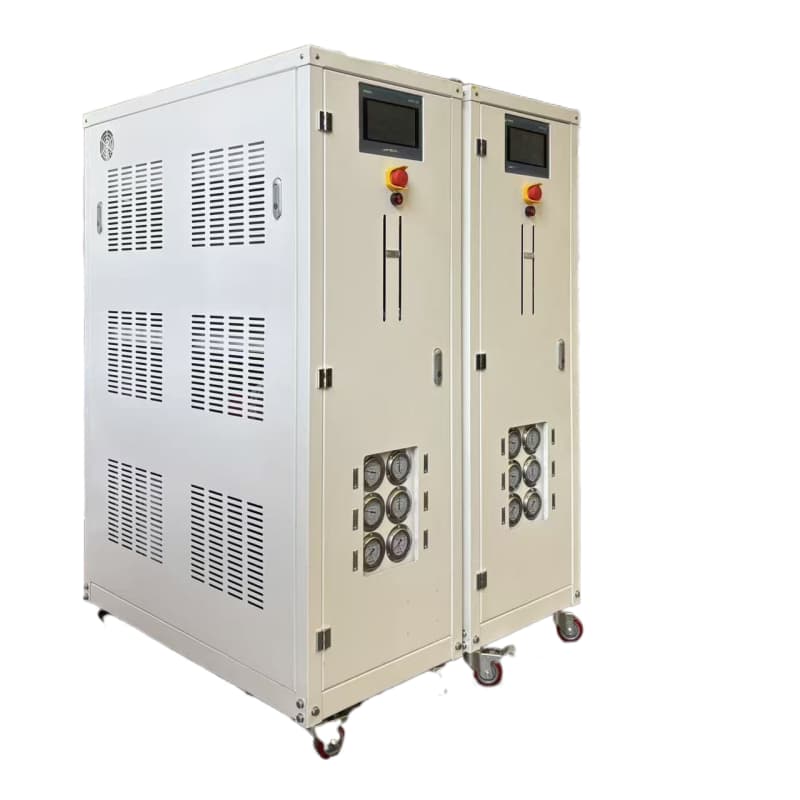
تُعدّ وحدة التبريد والتسخين ذات التحكم الدقيق في درجة الحرارة، والمخصصة لصناعة أشباه الموصلات، من المعدات الأساسية في عمليات التصنيع، حيث تجمع بين التسخين والتبريد والتحكم في درجة الحرارة ضمن حلقة مغلقة. وتستطيع هذه الوحدة تحقيق تحكم دقيق في درجة الحرارة ضمن نطاق يتراوح بين ±0.05 درجة مئوية و±0.1 درجة مئوية في نطاق واسع من -100 درجة مئوية إلى +300 درجة مئوية، مما يوفر بيئة حرارية مستقرة لعمليات مثل الطباعة الحجرية، والحفر، والتطعيم، واختبار التغليف، الأمر الذي يؤثر بشكل مباشر على الإنتاجية والأداء. رقائق البطاطس.
اقرأ المزيد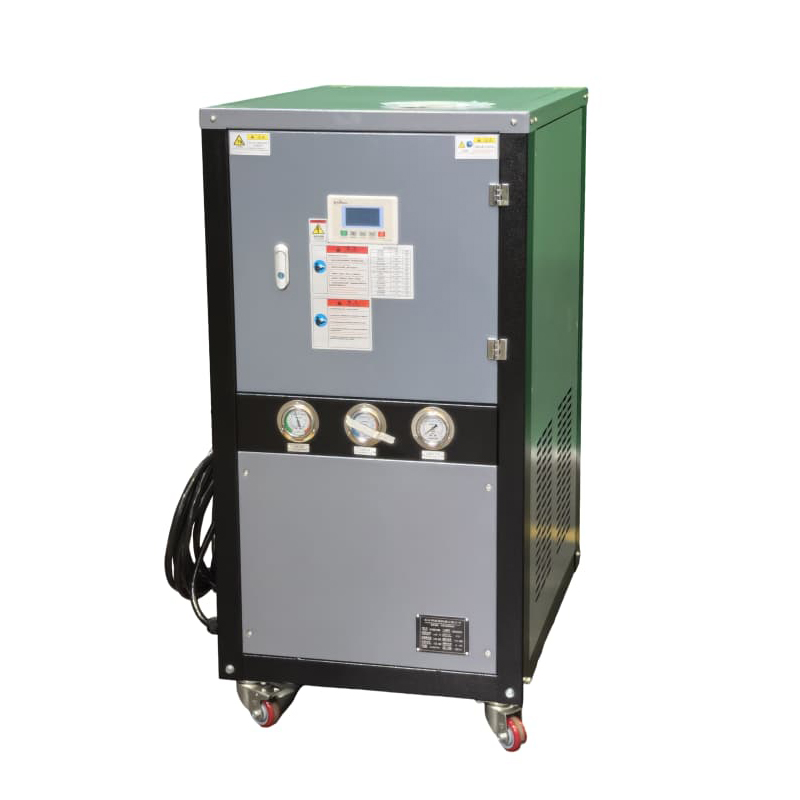
جهاز التسخين والتبريد المتكامل الذكي المُتحكم به بواسطة وحدة تحكم منطقية قابلة للبرمجة (PLC) والمُستخدم في البلمرة الكيميائية، هو جهاز عالي الدقة للتحكم في درجة الحرارة، يجمع بين التسخين والتبريد والتدوير والتحكم الذكي. يُحقق هذا الجهاز تحكمًا واسع النطاق في درجة الحرارة (عادةً من -80 درجة مئوية إلى 300 درجة مئوية) بدقة ±0.1 درجة مئوية، وذلك من خلال وحدة تحكم منطقية قابلة للبرمجة (PLC) وشاشة لمس وخوارزمية PID. صُمم هذا الجهاز لتلبية المتطلبات الأساسية لتفاعلات البلمرة التي تتميز بانبعاث حرارة مكثف، والتحكم متعدد المراحل في درجة الحرارة، ومنع حدوث "الهروب الحراري/توقف المفاعل". يُعد هذا الجهاز عنصرًا أساسيًا في عملية تصنيع البوليمرات.
اقرأ المزيد
توفر وحدة التحكم في درجة الحرارة عالية الدقة حلاً رئيسياً للتحكم في درجة الحرارة لصناعة قولبة ضغط ألياف الكربون من خلال التحكم الدقيق في درجة الحرارة، ودورة التسخين والتبريد الفعالة، والتكيف الذكي للعملية، مما يؤدي إلى تحسين جودة المنتج وكفاءة الإنتاج ومعدل استخدام المواد بشكل فعال، وهي الضمان الأساسي لتحقيق إنتاج عالي الأداء والجودة والكفاءة لمواد ألياف الكربون المركبة.
اقرأ المزيد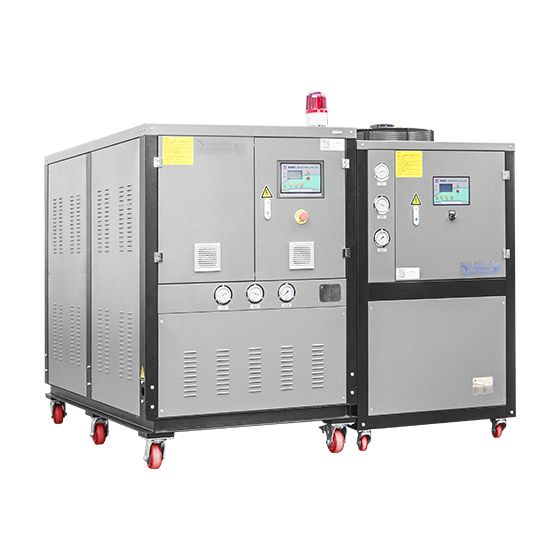
وحدة التدفئة والتبريد المتكاملة هي جهاز للتحكم في درجة الحرارة الصناعية يستخدم الماء كوسيلة لنقل الحرارة ويمكنه تحقيق التدفئة والتبريد والتحكم الدقيق في درجة الحرارة في وقت واحد.
اقرأ المزيد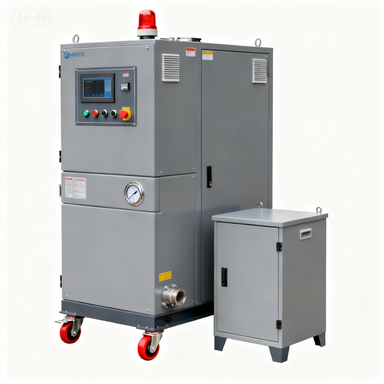
وحدة التدفئة والتبريد المتكاملة هي جهاز للتحكم في درجة الحرارة الصناعية يمكنه تحقيق وظائف التدفئة والتبريد في وقت واحد، وتنظيم درجة الحرارة المستهدفة بدقة.
اقرأ المزيد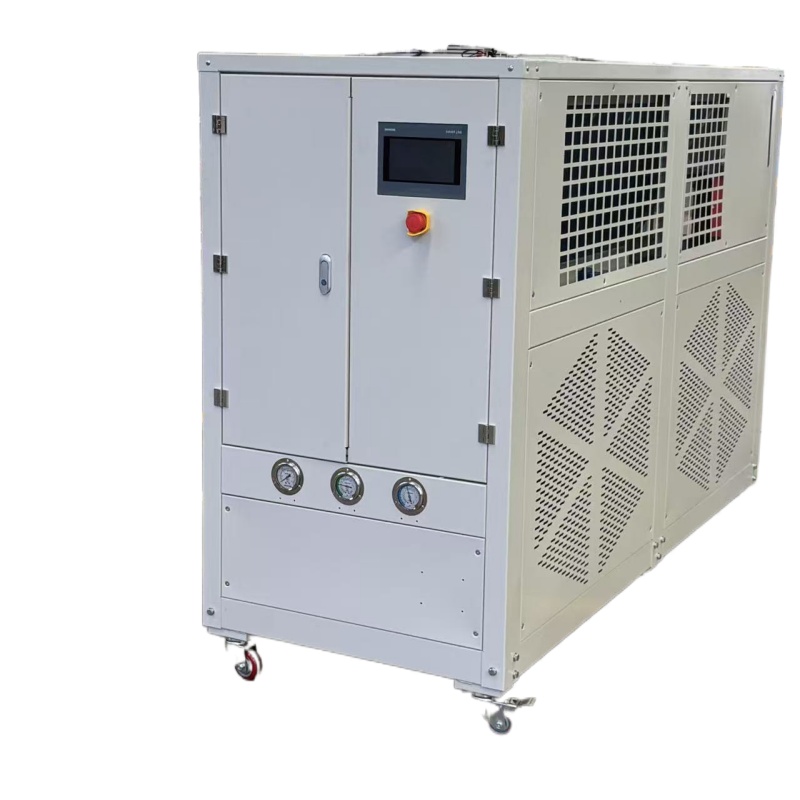
تعتمد المعدات تصميم "دوران مزدوج + ربط ذكي". ومن خلال التشغيل المنسق لنظام التبريد ونظام التدفئة وأنابيب الدوران ونظام التحكم الذكي، يتم تحقيق تنظيم دقيق لدرجة الحرارة.
اقرأ المزيد


 IPv6 الشبكة المدعومة
ترك رسالة
Scan to Wechat/Whatsapp :
 English
 Español
 عربي
عربي Melayu
 Tiếng Việt